During the colder months of the year, laboratories and health centers face a recurring challenge: a sudden increase in patients with fever, cough, and congestion.
The symptoms are similar, but different viruses may be behind them —influenza, SARS-CoV-2 or respiratory syncytial virus (RSV)— with very different clinical implications .
Distinguishing them correctly is essential to optimize treatment, control outbreaks, and protect vulnerable groups .
Three viruses, similar symptoms… but different consequences
| Virus | Main group affected | Characteristic symptoms | Common complications |
|---|---|---|---|
| Influenza (flu) | Adults and seniors | High fever, muscle aches, sudden fatigue | Secondary viral or bacterial pneumonia |
| SARS-CoV-2 (COVID-19) | All groups | Fever, dry cough, anosmia, difficulty breathing | Pulmonary complications, prolonged COVID |
| Respiratory Syncytial Virus (RSV) | Infants and the elderly | Persistent cough, difficulty breathing, wheezing | Bronchiolitis, pneumonia |
At first glance, the three can be confused. Even an experienced professional may have difficulty establishing a clinical diagnosis without laboratory support.
The role of molecular diagnostics in differentiation
Diagnostic methods have advanced remarkably in recent years. Today, RT-qPCR detection has become the gold standard for identifying these viruses with high sensitivity and specificity.
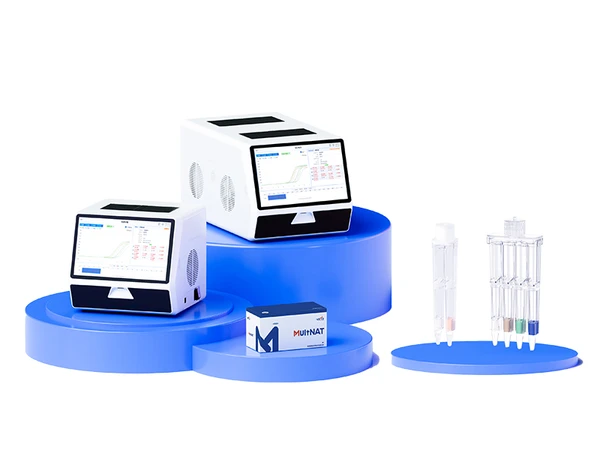
The MulNat kits They allow simultaneous analysis of multiple DNA sequences in a single test, detecting influenza A, influenza B, SARS-CoV-2 and RSV . This reduces response times, optimizes resource use, and minimizes the possibility of clinical errors.
Advantages of Ustar Biotechnologies' MultNat respiratory panels:
- Rapid differential diagnosis in cases of similar symptoms.
- Avoid unnecessary treatments (for example, antibiotics for viral infections).
- It improves traceability and epidemiological control.
- It promotes early and effective clinical decisions.
If you want more information about the MulNat Respiratory Panel, click here.
We all know the importance of getting an early diagnosis:
During peak winter periods, accurate diagnosis makes the difference between efficient management and system overload.
A reliable and fast result allows:
- Properly isolate patients , reducing cross-contamination.
- Optimize antiviral treatments (such as oseltamivir for influenza).
- Avoid unnecessary hospitalizations , especially in vulnerable populations.
In clinical practice, diagnostic accuracy translates directly into better care and greater health safety , and helps avoid unnecessary infections in places like offices, bars, or public transport.
Prepared for respiratory season
Laboratories that integrate MulNat panels or specific kits for detecting influenza, COVID, and RSV are better equipped to respond to the growing diagnostic demand during the fall-winter season.
At Proquinorte we provide laboratories with validated molecular kits that allow for the rapid, simultaneous and accurate detection of the main respiratory viruses, helping clinical teams to act effectively from the first symptom.
Discover uStar Biotechnology and explore all the specific and combined kits we offer. You can also consult with our product specialists, who can advise you on choosing the right kits for you.