5 sustainable practices
- Hazards out, waste to a minimum:
Managing hazardous materials and reducing waste isn't just a matter of safety—it's a key step toward a greener lab! Where to begin? First, ensure that chemicals are properly classified, stored, and handled according to clear protocols. Add good personal protective equipment (PPE) and well-trained staff to the equation, and you'll already be one step ahead. If you can also replace hazardous substances with more environmentally friendly options, even better!
Keep in mind that some plastic materials can be sterilized in autoclaves for reuse, while other components, such as pipette boxes, can have a second life.
And then there's waste. Think about ways to reduce single-use items and reuse reusable ones (jars, tools, and equipment). Recycle? Of course! Properly separate paper, plastic, glass, and metals to give them a second life. Oh, and don't forget that streamlining your daily processes not only generates less waste but also saves you time and resources. Small changes that together can make a big difference.
- Energy, only what is necessary
An energy-efficient laboratory is more than just turning off lights. It's about optimizing the use of equipment and facilities, choosing -80°C freezers or laminar flow cabinets with low-energy certifications. Additionally, timers could be installed to turn off equipment when not in use, or smart devices could be used to regulate consumption according to need. If possible, renewable energy can also be a great ally in reducing the carbon footprint.
- Responsible shopping: Do you really need all that?
When it comes to lab purchases, it's important to think long-term. Opt for good quality, durable products. And if you can share equipment with other labs, even better! This not only optimizes resources but also reduces the need to buy more supplies. By choosing suppliers who are committed to sustainable materials, you're contributing to a greener world—and that's always a good thing!
- Choose sustainable products: Bye, bye plastic.
Plastic is a very common material in laboratories, but there are more environmentally friendly alternatives. One option is to use products made with biodegradable materials.
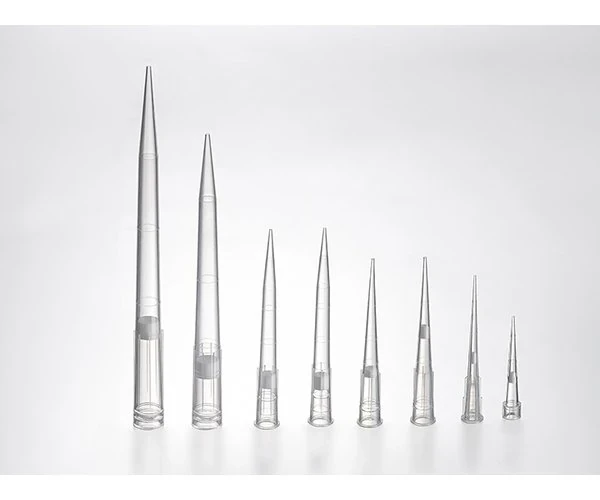
Recyclable options should be considered whenever possible. Switching from conventional plastics to more sustainable alternatives can be a small step with a big impact, and if you're interested, check out our range of biobased products from Eppendorf, which contain 54% less plastic.
Choosing equipment might not be so easy, but labels like Energy Star and ACT are good references for choosing products that meet environmental standards, reducing the negative impact on the planet.

- Conscientious essays
Adopting smaller formats, such as microtiter plates, and using tubes and storage boxes that match the actual sample volume are small changes in experimental design that can have a big impact. This not only optimizes freezer space but also significantly reduces the consumption of disposable plastics.
Furthermore, exploring innovative techniques such as Liquid Phase Microextraction (LPME) and Solid Phase Microextraction (SPME) promotes an efficient and environmentally friendly approach to sample preparation. These techniques enable the extraction of analytes from diverse matrices, including water, blood, and cell culture media samples.
As you can see, having a more sustainable lab is about making every action count. And sustainability in the lab isn't limited to just equipment or materials. The way we research, the methods we use, and the culture within the lab also play an important role. Fostering a more environmentally conscious mindset and educating the team about sustainable practices is key to getting everyone involved in the change.
If you would like to learn more about how we can help you achieve a sustainable laboratory, please do not hesitate to contact us: info@proquinorte.com