In the world of molecular diagnostics, speed and accuracy are key factors. In recent years, one technology has gained prominence for its ability to deliver reliable results in record time: isothermal nucleic acid amplification . But what exactly does it involve, and what advantages does it offer over traditional techniques like PCR? Today we'll explain it in detail.
What is isothermal amplification?
Isothermal amplification is a molecular biology technique that allows the multiplication (amplification) of specific DNA or RNA fragments while maintaining a constant temperature throughout the process. Unlike PCR (polymerase chain reaction), which requires repeated heating and cooling cycles, isothermal amplification operates at a single temperature, typically between 60 °C and 65 °C.
This eliminates the need for complex thermocyclers and allows the use of more compact and economical devices, ideal for point-of-care diagnostics (POCT).
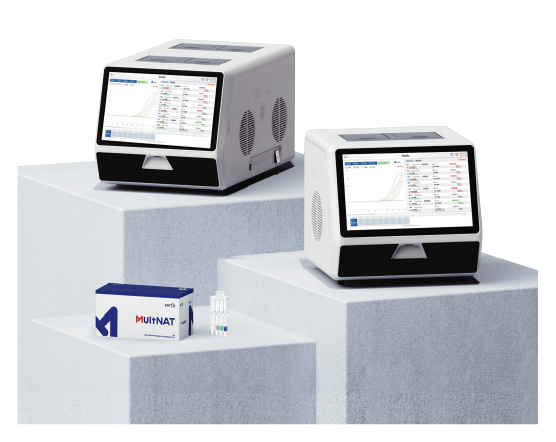
Main advantages of isothermal amplification compared to traditional PCR
- Speed : results can be obtained in less than 30-60 minutes, making it an ideal tool for situations where time is of the essence: emergencies, veterinary clinics, food inspections, etc.
- Technical simplicity : sophisticated equipment and highly specialized personnel are not required to perform the tests.
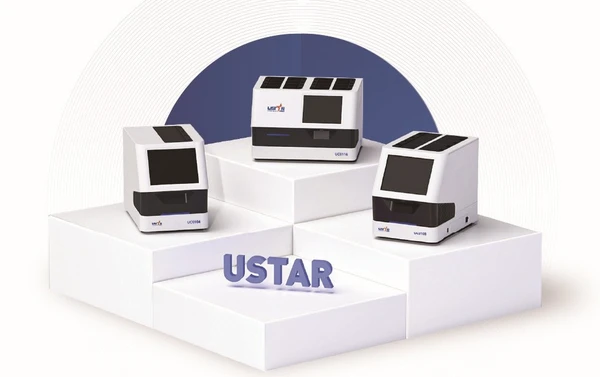
- Portability : Systems based on this technology, such as those in the uSTAR line, are usually compact, allowing their use in the field or in environments with limited infrastructure.
- High sensitivity and specificity : comparable in many cases to traditional PCR, allowing reliable detection of pathogens, even at low loads.
Applications of technology
Isothermal amplification is being used successfully in multiple sectors:
- Clinical : rapid detection of respiratory viruses, sexually transmitted pathogens, tuberculosis, etc.
- Veterinarian : diagnosis of infectious diseases in domestic and farm animals.
- Food safety : identification of Salmonella, Listeria, E. coli and other contaminants in food and water.
uSTAR devices are a clear example of how this technology can be integrated into laboratories and control points, combining speed, reliability, and ease of use.
CPA technology: isothermal precision at the service of diagnosis
Within the broad group of isothermal amplification techniques, one of the most prominent and widely used is Cross Priming Amplification (CPA).
The CPA technology used by Ustar's teams is an isothermal amplification technique that stands out for its simplicity, robustness, and efficiency. Unlike other techniques such as LAMP, it requires a less complex primer design and offers greater tolerance to inhibitors present in clinical samples.
Furthermore, it generates shorter and more specific results, reducing the risk of false positives. All of this, combined with its operation at a constant temperature and without the need for complex instrumentation, makes it an especially robust and practical option for automated and portable systems like those from Ustar, designed for fast, reliable, and decentralized diagnostics.
Why is it marking a turning point in rapid diagnosis?
The rise of isothermal amplification is directly related to the need for rapid and accurate diagnostics , especially after the COVID-19 pandemic. This technology allows molecular diagnostics to be delivered wherever it is needed, without relying on large, centralized laboratories.
Are you interested?
At Proquinorte, we are official uSTAR distributors in Spain , and we can advise you to find the solution that best suits your needs. Contact us!