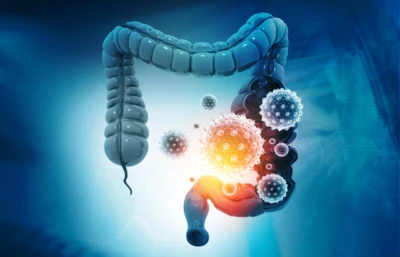
Every minute counts when it comes to intestinal infections. Delaying diagnosis can mean incorrect treatments, complications, and unnecessary antibiotic use. With the MultNAT® Gastrointestinal Panel from Ustar Biotechnologies , that's no longer a problem: in just 75 minutes , your facility can identify 23 bacteria, viruses, and parasites from a single stool sample , right at the point of care.
Thanks to its multiplex RT-PCR technology , MultNAT® from USTAR Biotechnologies combines speed, accuracy and safety in a single system:
- Fast and reliable results : Get a reliable diagnosis in just 75 minutes , compared to the days required by traditional cultures.
- Real multiplexing: simultaneously identifies bacteria, viruses and parasites , from Salmonella and E. coli to Norovirus and Cryptosporidium.
- Easy to use : 2 minutes of manual handling and sealed disposable cartridge.
- Flexibility and scalability : independent modules that operate 24/7 according to the center's demand.
- Ready to use : pre-filled cartridges that require no additional preparation or special refrigeration.
Key Clinical and Operational Value
- Targeted Therapy and Avoiding Antibiotic Overuse: A quick and accurate diagnosis facilitates targeted therapy and helps to avoid the misuse of antibiotics.
- Work Optimization: By obtaining results quickly, you save time and effort in complex tracking and cultivation procedures.
- Convenience and Safety: The system uses a sealed, disposable (safe) cartridge and pre-loaded lyophilized reagents that allow for ambient temperature transport, eliminating the need to dissolve them before use.
How it works
- Collect the stool sample.
- Insert the sample into the cartridge and load it into the Ustar biotechnology MultNAT® system.
- Get accurate results in 75 minutes , identifying all relevant pathogens.
Pathogens detected:
- Bacteria: Salmonella, E. coli (EAEC, EPEC, ETEC, EIEC), Clostridium difficile, Campylobacter, Shigella, Vibrio spp., Yersinia enterocolitica, Plesiomonas shigelloides.
- Viruses: Norovirus GI/GII, Rotavirus A, Human Astrovirus, Sapovirus.
- Parasites: Giardia lamblia, Cryptosporidium, Entamoeba histolytica, Cyclospora cayetanensis.
With MultNAT® from Ustar Biotechnologies , each test results in a fast and reliable diagnosis , helping to reduce complications, optimize resources, and ensure safe and efficient care. Advanced multiplex RT-PCR technology allows your healthcare facility to quickly identify all relevant pathogens in intestinal infections, improving efficiency and clinical safety .