True precision: when repeatability defines the quality of the result
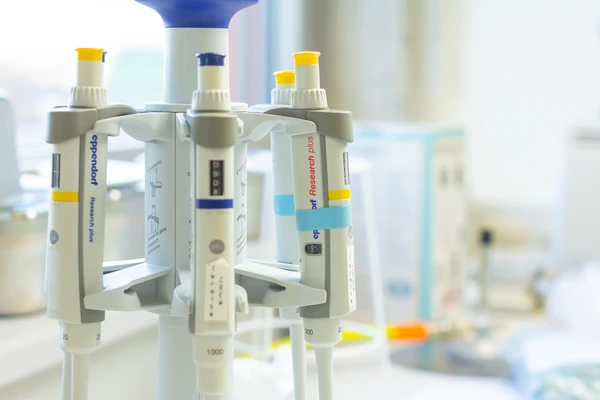
In daily laboratory work, the difference between a good pipette and an excellent one lies not only in its technical specifications, but also in its performance over multiple cycles and between different users. The Research Neo 3 has been designed to guarantee high dispensing stability, reducing both systematic and random errors, even during extended pipetting runs.
This refined volume control translates into greater reliability in critical applications such as PCR, qPCR, and next-generation sequencing, where even the slightest variation can alter the interpretation of results. Furthermore, its performance in techniques like reverse pipetting or the handling of volatile or viscous liquids reinforces its position as a tool geared toward functional rather than purely theoretical precision.
Advanced ergonomics: the invisible impact of fatigue on human error
One of the most important aspects of the Eppendorf Research Neo 3 design is the reduction of the physical impact of repetitive pipetting. During intensive workdays, muscle fatigue not only affects user comfort but also introduces variability in technique and, therefore, in experimental results.
Through the PhysioCare® concept, the pipette has been optimized to reduce the force required for aspiration and dispensing, as well as to improve the overall ergonomics of the pipetting motion. The result is a smoother experience, with less hand strain and greater control in each cycle, which directly contributes to improved work consistency even under high-volume operating conditions.
Adaptive engineering: a pipette designed for real-world laboratory scenarios
The Research Neo 3 incorporates technical solutions designed to adapt to the real-world variability of the modern laboratory. Among these, its time adjustment system stands out, allowing the pipette's behavior to be modified according to the type of liquid without altering its base calibration—something especially useful when working with organic solvents or solutions with non-standard physical properties.
In addition, a spring-loaded tip cone improves the seal with the tip, reduces insertion and ejection force, and ensures greater consistency between users. It also incorporates a volume locking system that prevents accidental changes during use, a particularly relevant feature in regulated environments such as GLP or GMP where traceability and method stability are essential.
Operational versatility in multidisciplinary environments
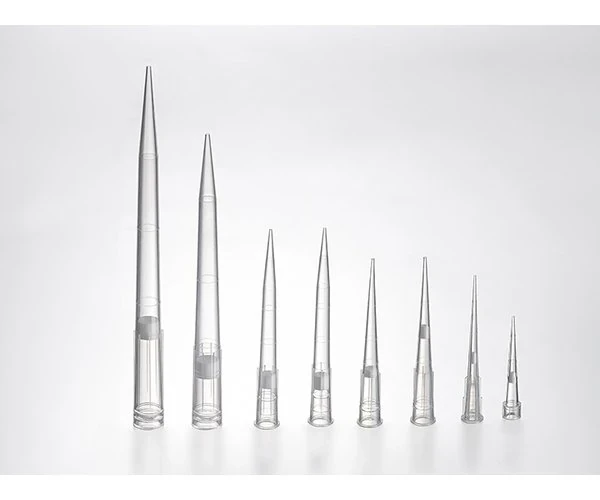
The Eppendorf Research Neo 3 is not designed for a single type of application, but rather to integrate seamlessly into a wide variety of workflows within the modern laboratory. Its stable performance and compatibility with standard tips make it suitable for molecular biology, clinical diagnostics, pharmaceuticals, and quality control, adapting effortlessly to varying levels of technical demand.
This versatility is key in laboratories where multiple techniques are combined and where the standardization of pipetting material directly contributes to the efficiency of daily work.
Direct impact on laboratory efficiency
Beyond its technical specifications, incorporating a pipette like the Research Neo 3 has a direct impact on overall laboratory productivity. Reduced pipetting errors mean fewer experimental repetitions, greater reliability of the data obtained, and a decrease in deviations associated with operator fatigue.
Taken together, these factors not only improve the quality of scientific work, but also optimize execution times and reduce the costs derived from repeating tests, something especially relevant in environments with a high analytical workload.
Exclusive added value at Proquinorte
Currently, when you buy the Eppendorf Research Neo 3 online through Proquinorte.com, get a Tag color or an exclusive pipette pen as an added value to your purchase, available while supplies last.
Conclusion: precision that is perceived in each pipetting
The Eppendorf Research Neo 3 represents a coherent evolution in the design of manual pipettes, where precision is understood not only as a technical value, but also as a consistent experience of control, ergonomics, and operational stability. For laboratories seeking to reduce variability and improve the reproducibility of their processes, this pipette becomes a key tool in the daily workflow.
👉 Discover the promotion available at Proquinorte and equip your laboratory with a pipette designed to perform at the level of current science.