Sustainability is no longer optional; it has become a strategic priority in laboratories as well . The use of energy-efficient equipment not only helps reduce operating costs but also decreases the carbon footprint and contributes to meeting current environmental requirements. But a key question arises: how can this be achieved without compromising biosafety?
Safety and sustainability: a possible combination 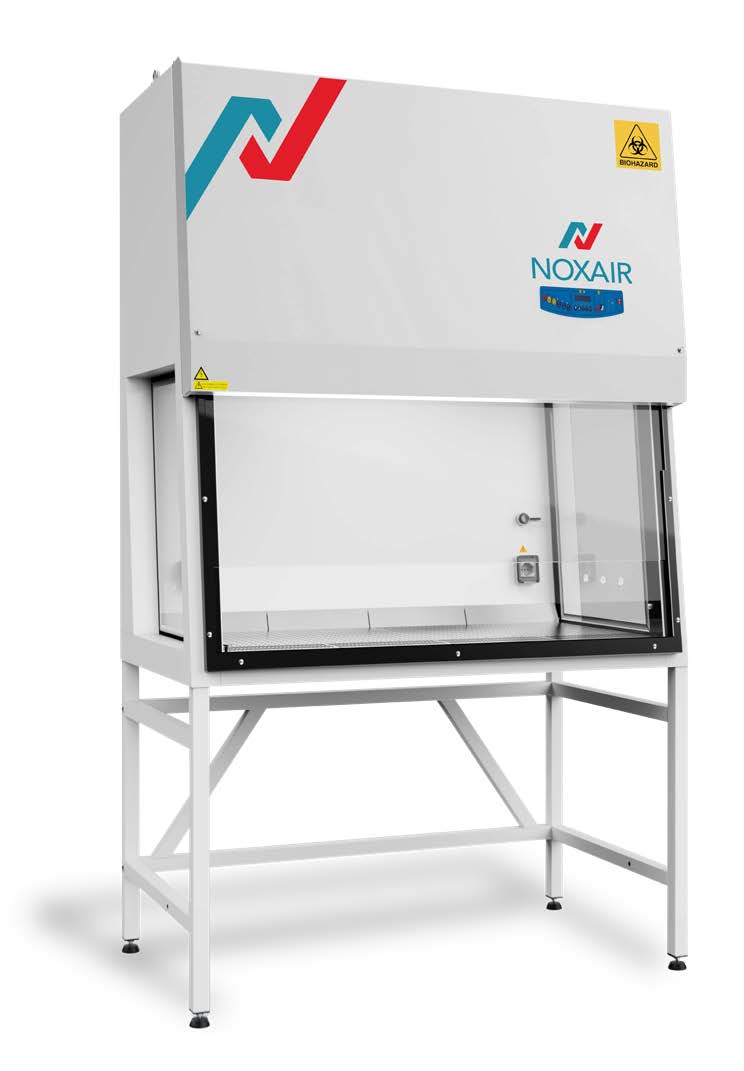
The BIO II STANDARD biological safety cabinets incorporate the ECS® Eco Controlling System , a microprocessor that intelligently regulates ventilation and filtration. This allows for:
- Automatic airflow optimization: the system compensates for pressure drops in the filters without requiring excessive fan effort, maintaining a constant and safe laminar flow.
- Energy consumption reduction: self-regulation minimizes energy use without compromising the level of protection.
- Lower carbon footprint: thanks to ECS®, CO₂ emissions can be reduced by more than 70% compared to conventional cabins.
- Safety guaranteed: despite this energy saving, the cabin continues to comply with the most demanding European and international biosafety standards
Which cabinet should you choose for your laboratory?
When implementing more sustainable solutions, it's important to consider the type of application, the required level of biosafety, and the ergonomics that facilitate daily work. If you'd like to delve deeper into these criteria, this article on Key factors to consider when choosing a biological safety cabinet: you will find a practical guide to help you make the best decision.
Regulations that guarantee safety
Sustainability would be meaningless without meeting international standards that guarantee biosafety. BIO II STANDARD biosafety cabinets comply with the European standard EN-12469:2000 , NSF certification , and ISO 14644-1 guidelines , among others. You can learn more about international biosafety regulations and their importance in equipment selection in this other article.
A smart and responsible investment
Investing in quality cabins not only reduces energy costs and environmental footprint: it also sends a clear message of social responsibility and commitment to public health .
💡 Active promotion: 15% discount on BIO II STANDARD cabins (valid for a limited time).
👉 Contact our Product Manager, Iñaki Herrerías , for more information and personalized advice.