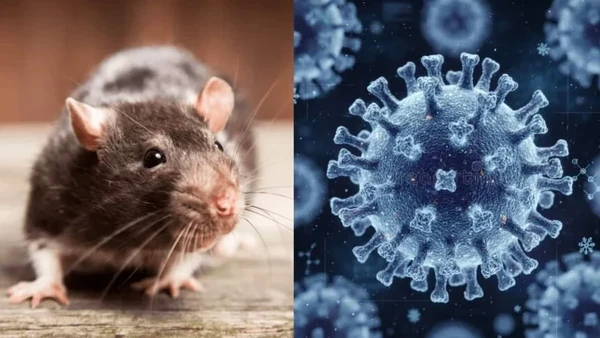
The recent arrival on Spanish shores of the Ambition cruise ship , affected by an outbreak of acute gastroenteritis that forced the activation of External Health protocols in ports such as Bilbao, A Coruña and Gijón, has once again put Norovirus in the media spotlight.
As is often the case with health alerts that make the news, public alarm has quickly led to the spread of theories and misinformation. Therefore, here on the Proquinorte blog , we analyze the scientific reality of the virus and debunk the most widespread myths about its transmission.
Debunking myths about Norovirus: Myths vs. Reality
- Myth 1: "Norovirus is a new virus or a dangerous mutation."
- The reality: False. Norovirus has been the most common cause of acute gastroenteritis worldwide for decades. It's not a new virus; it's simply a well-known, long-standing pathogen that is very common in enclosed or high-density environments (such as nursing homes, schools, or, traditionally, cruise ships).
- Myth 2: "The virus mutates and is transmitted through the air over long distances."
- The reality: No. Its primary transmission route is fecal-oral, usually through direct person-to-person contact, contaminated surfaces, or by consuming water and food that haven't been handled with proper hygiene. Although vomiting can generate microdroplets suspended in the air at short distances, it is not airborne like the flu.
- Myth 3: "Conventional hand sanitizer completely eliminates it."
- The reality: This is one of the greatest dangers. Unlike other viruses, norovirus lacks a lipid envelope, making it highly resistant to common hand sanitizers . The most effective measure remains thorough handwashing with soap and water and disinfecting surfaces with chlorine-based products (bleach).
The challenge for laboratories in the face of community outbreaks
Cases like that of the Ambition demonstrate the importance of a rapid response. Norovirus is notable for its extremely high viral load and low infectious dose potential : just a few virus particles are enough to trigger a massive outbreak in a matter of hours.
For clinical and health control laboratories, having accurate screening methodologies and tools is essential to confirm the pathogen, rule out other bacterial infections, and stop community spread in time.
At Proquinorte we are fully aware of the logistical and technical challenge that these public health alerts pose for analysis and diagnostic centers.